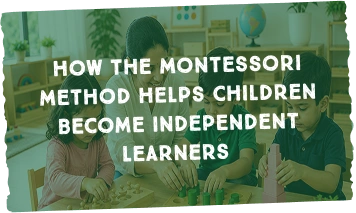
How the Montessori Method Helps Children Become Independent Learners
What if your child didn’t always wait for an adult to tell them what to do, but instead felt confident enough to ask, explore, try, make mistakes, and try again?
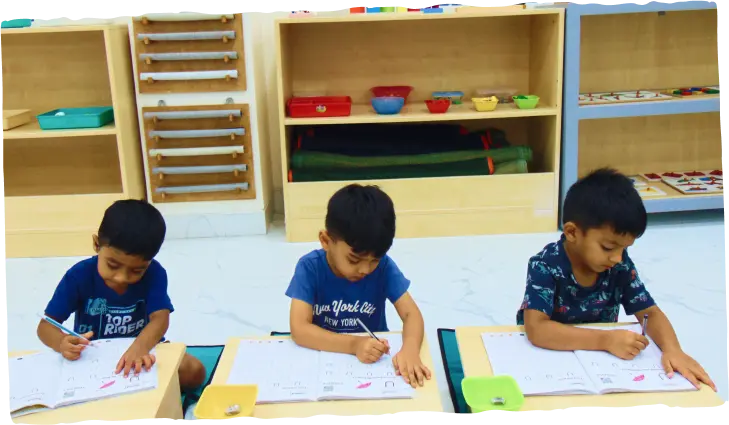
Hands-On Learning:
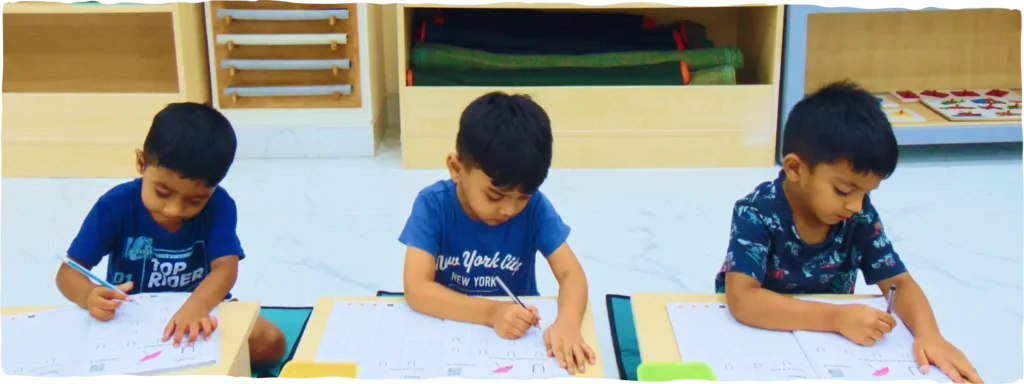
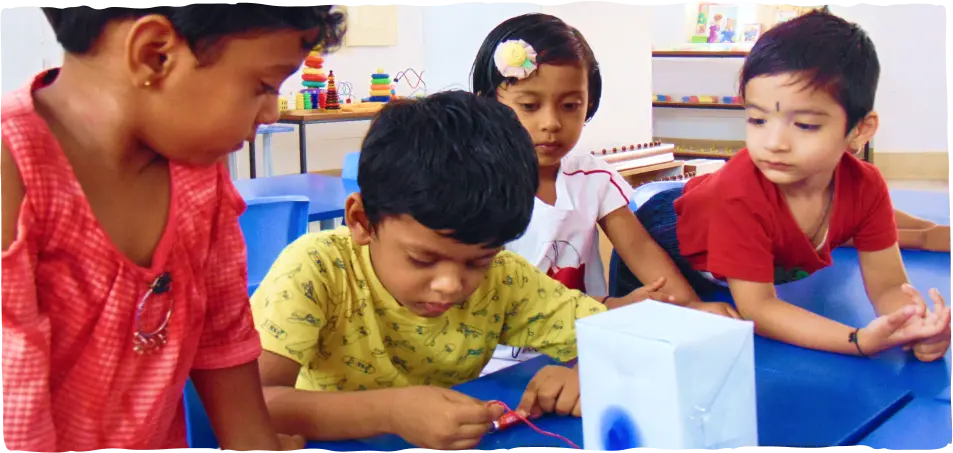
Montessori emphasizes learning through sensory experiences and manipulation of materials, rather than rote memorization or direct instruction.
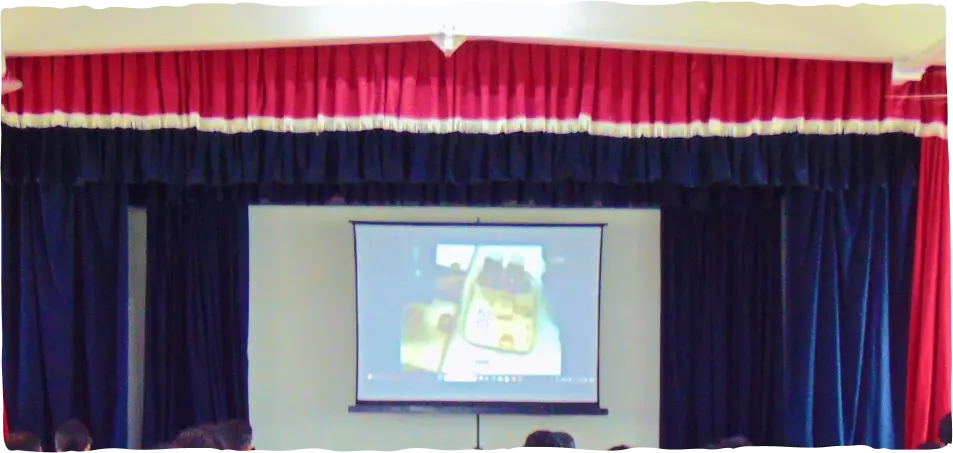
Montessori Education is evolving to embrace the opportunities and challenges of the digital age, integrating digital technologies in ways that enhance and enrich traditional Montessori principles. As we leverage digital tools to support self-directed learning, individualized instruction, and documentation of children’s progress, Montessori educators are ensuring that this time-tested educational approach remains relevant and effective in preparing children for success.
Montessori education is adapting to the demands of the 21st century through the integration of technology into its curriculum. While maintaining a strong emphasis on hands-on, experiential learning, Montessori classrooms are increasingly incorporating digital tools and resources to enhance learning experiences. From interactive educational apps and multimedia presentations to coding and robotics activities, technology is being leveraged to engage and inspire students while providing new avenues for exploration and creativity.
Embracing a more interdisciplinary and project-based approach to learning, reflecting the complex and interconnected nature of the modern world. Students are encouraged to tackle real-world problems, work collaboratively with peers, and apply their knowledge and skills across various subject areas. This approach not only fosters critical thinking and problem-solving skills but also prepares students to navigate an increasingly globalized and interconnected society.
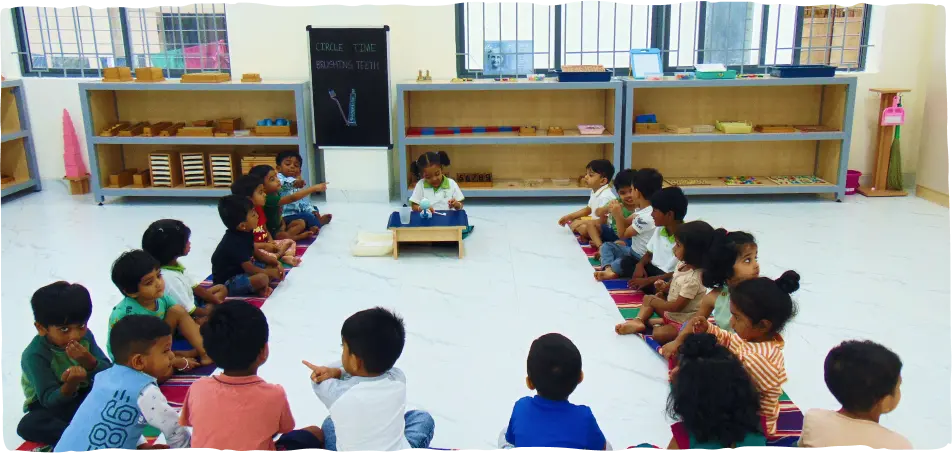
Montessori education puts emphasis on social-emotional learning and mindfulness practices. Recognizing the importance of emotional intelligence, empathy, and resilience in today’s fast-paced and sometimes stressful world, Montessori schools are incorporating mindfulness activities, conflict resolution strategies, and social-emotional curriculum into their programs. Nurturing students’ social and emotional well-being is just as important as equipping them with the tools and resilience needed to thrive in an ever-changing world.
Montessori education embraces diversity, equity, and inclusion as core values, reflecting the growing recognition of the importance of cultural competency and social justice in education. Montessori classrooms strive to create inclusive and welcoming environments where every child feels valued and respected, regardless of their background or abilities. Teachers undergo training in cultural sensitivity and anti-bias education to ensure that their practices are equitable and affirming for all students.
In conclusion, Montessori education continues to innovate and adapt to meet the evolving needs of students in the 21st century. By integrating technology, fostering interdisciplinary learning, prioritizing social-emotional development, and promoting diversity and inclusion, Montessori schools are preparing students to thrive in a complex, interconnected, and rapidly changing world.
SHARE THIS ARTICLE

What if your child didn’t always wait for an adult to tell them what to do, but instead felt confident enough to ask, explore, try, make mistakes, and try again?

Starting kindergarten is an exciting milestone, but for many parents, it also comes with a common worry: “Is my child truly ready?” While knowing the alphabet, numbers, and colors is important, these academic skills alone do not guarantee a smooth transition into school.

Enroll Now Home > Blogs > How to Increase Memory Power for Students: 10 Proven Techniques That Work How to
This will close in 0 seconds