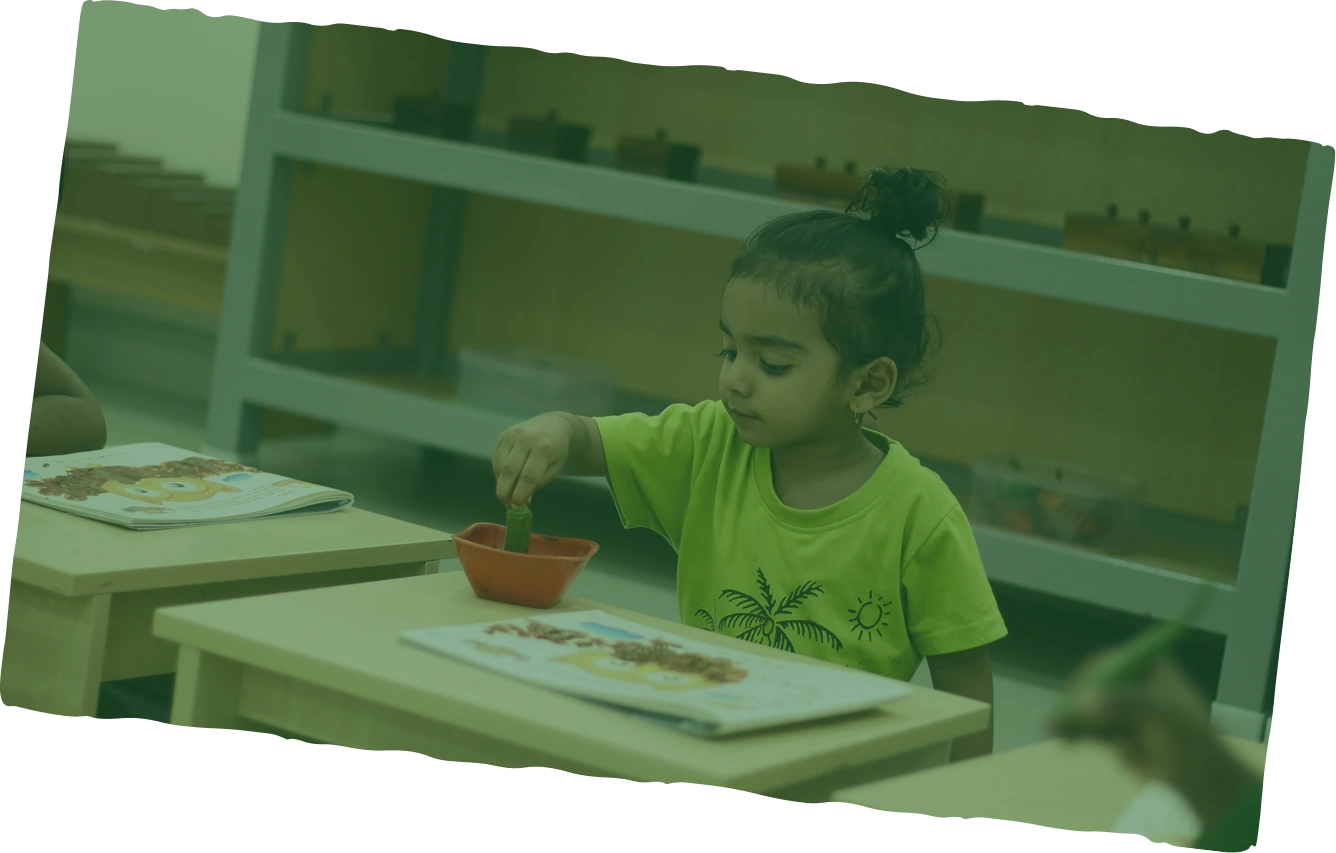
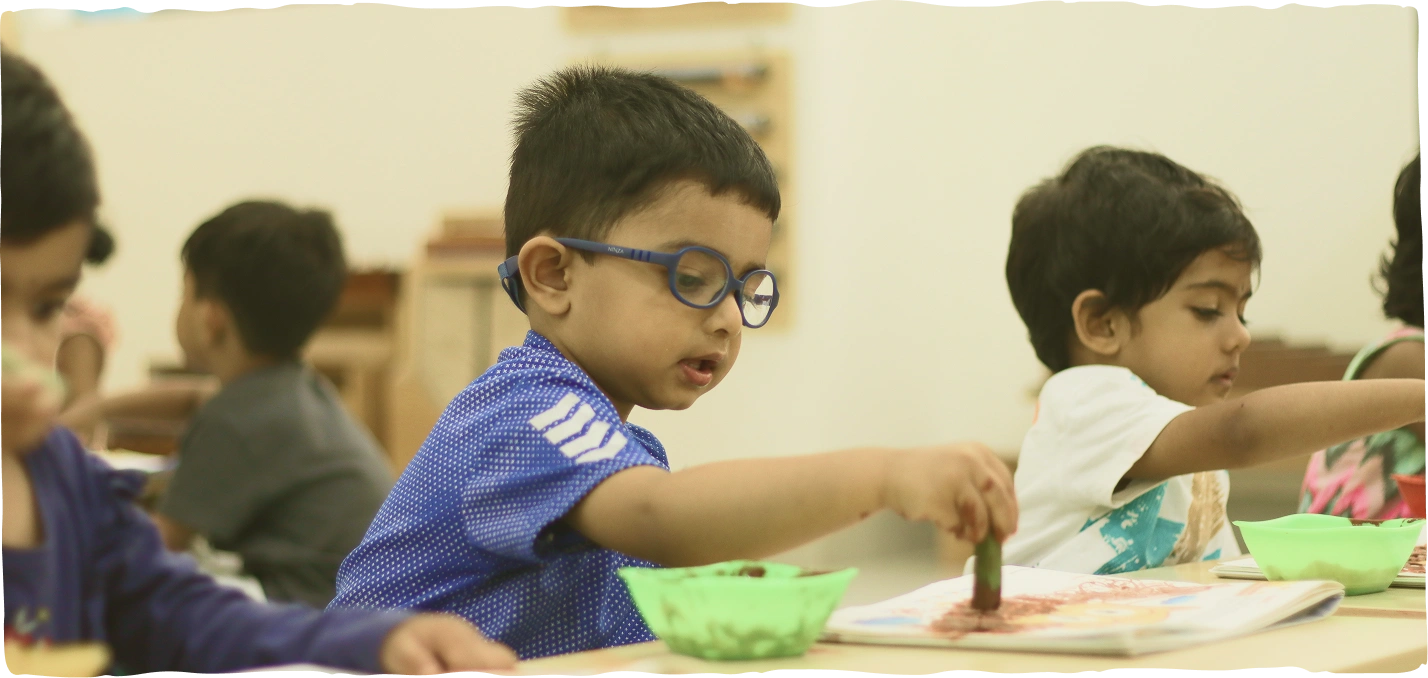
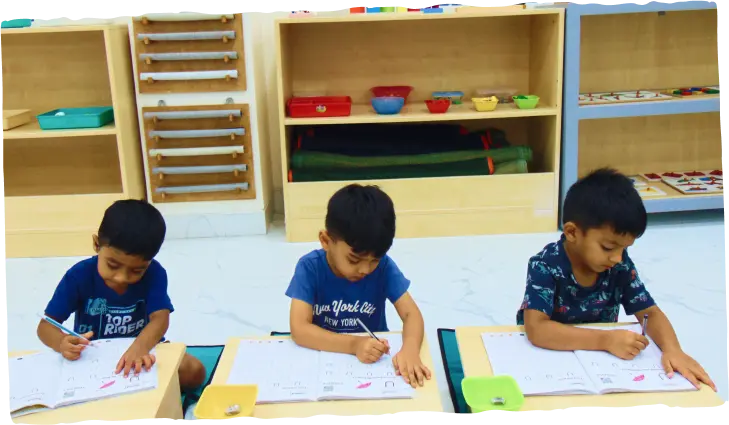
When it comes to nurturing young minds, parents often wonder: what is Montessori method of education, and how does it differ from traditional schooling? Developed by Dr. Maria Montessori over a century ago, the Montessori approach emphasizes child-centered learning, independence, and hands-on experiences. Rather than following a rigid curriculum, Montessori classrooms are designed to let children explore, experiment, and learn at their own pace. This method not only supports academic growth but also fosters emotional, social, and cognitive development.
If you’re considering this approach for your child, understanding the benefits of Montessori can help you make an informed decision. Here are the top 10 advantages every parent should know.
One of the most notable benefits of Montessori education is its emphasis on independence. Children are encouraged to make choices, manage their tasks, and take responsibility for their learning. For example, a child might choose which activity to work on, practice pouring water, or organize classroom materials. This sense of autonomy builds confidence and self-reliance that extends beyond the classroom.
Unlike traditional education systems, the Montessori method allows children to learn at their own speed. A shy learner can spend extra time mastering reading, while a gifted child can move ahead in mathematics without feeling held back. By focusing on individual progress rather than standardized benchmarks, children develop a genuine love for learning.
Montessori classrooms are designed to minimize distractions and encourage deep engagement. Activities like threading beads or solving puzzles require sustained attention, which helps children develop strong concentration skills. Parents often notice that Montessori students can focus longer and more effectively on tasks at home and school.
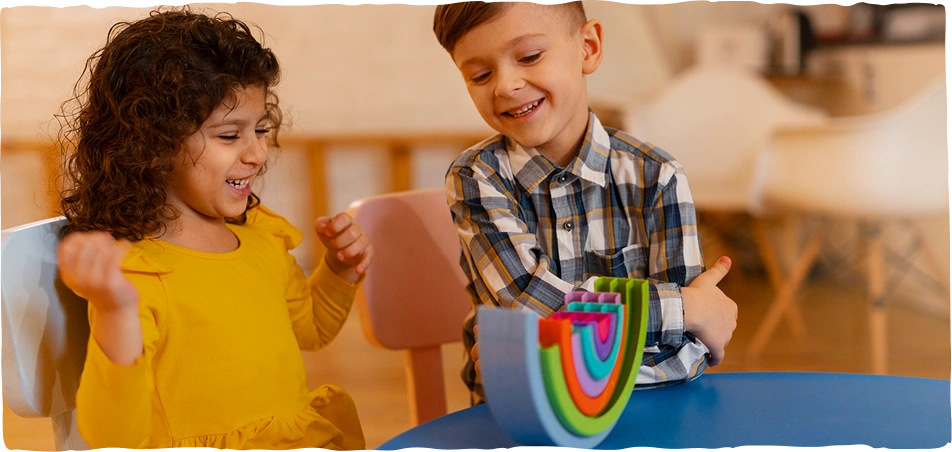
Children in Montessori environments are given opportunities to experiment, explore, and discover solutions independently. Whether figuring out how to balance blocks or deciding how to approach a science experiment, kids naturally develop critical thinking skills. These problem-solving abilities become invaluable tools for academic and life challenges.
Benefits of Montessori teacher training are particularly evident in guiding children’s social and emotional growth. Montessori-trained teachers are skilled in observing each child and facilitating conflict resolution, empathy, and collaboration. Mixed-age classrooms allow older children to mentor younger ones, reinforcing leadership and compassion.
Montessori education integrates open-ended activities, art, music, and practical life exercises, fostering creativity. By choosing their own projects and exploring materials freely, children learn to think outside the box. Parents often find Montessori kids more imaginative in play and capable of original thinking.
Despite its playful approach, Montessori education emphasizes real academic skills. Children learn literacy, numeracy, and science concepts through hands-on materials rather than rote memorization. For instance, tactile math materials like number rods and bead chains make abstract concepts concrete, leading to better comprehension and retention.
Montessori classrooms typically maintain small student-to-teacher ratios. Combined with the observation-based techniques from benefits of Montessori teacher training, educators can tailor lessons to each child’s strengths, interests, and challenges. Parents see the results in well-rounded, confident learners who feel understood and supported.
Montessori education doesn’t just focus on academics—it also emphasizes practical life skills such as cooking, cleaning, organizing, and time management. These experiences teach responsibility, self-sufficiency, and a sense of accomplishment. Children learn to approach everyday tasks with confidence, a skillset that proves invaluable into adulthood